It’s kind of like a Disneyland for the people over 55yo. Take your parents, they’ll love this place. Beautiful plum orchard, sophisticated yet unpretentious restaurant, pottery workshop, tea ceremony experience, cafes, bakery and sweets shop (+goats). I enjoyed walking around the hill. The restaurant was quite popular and they don’t take reservations, so I recommend going early. It was on the weekend and I waited probably 15-20 mins. Food was absolutely delicious but the portion is designed for elderly people so you may feel it is a bit expensive for the amount.
Overview
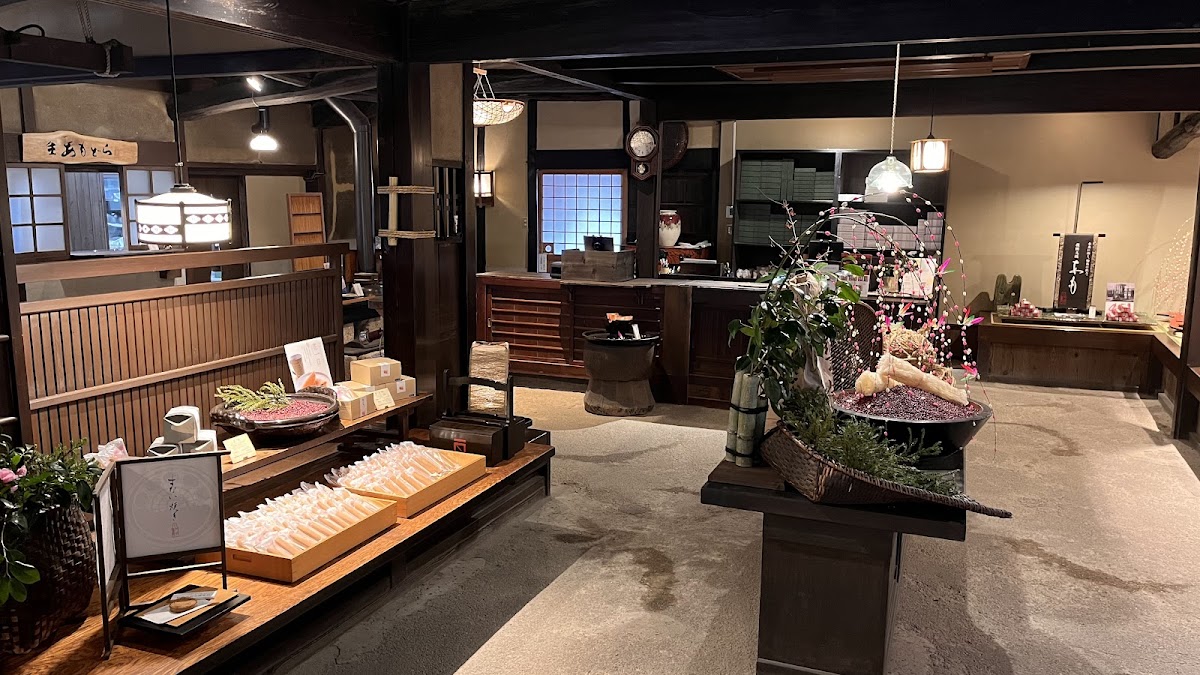
Walking into Kanou Shojuan for the first time felt less like visiting a dessert shop and more like stepping into a carefully preserved slice of Japanese culinary heritage. The location at 4 Chome-2-1 Oishiryumon, Otsu, Shiga 520-2266, Japan sits quietly away from the rush, which already sets the tone for what happens inside. I stopped by on a weekday afternoon after hearing repeated local reviews praising the shop’s commitment to traditional wagashi, and those comments turned out to be spot on.
The menu leans heavily into classic Japanese sweets, but everything is presented in a way that feels thoughtful rather than old-fashioned. Seasonal nerikiri, yokan, and monaka are arranged like small artworks. I was told by a staff member that many recipes follow methods refined over decades, with adjustments made only when seasonal ingredients require it. This approach mirrors what the Japanese Ministry of Agriculture has long emphasized about wagashi: balance, seasonality, and respect for raw materials. You can taste that philosophy in every bite. One regular customer next to me summed it up perfectly by saying crafted with patience, and that phrase stuck with me.
What makes this place stand out is how visible the process is. Through a glass partition, you can sometimes watch artisans shaping sweets by hand. Each piece takes several minutes, not seconds, and that time investment matters. According to food culture research published by Japanese culinary institutes, handmade wagashi often retain better texture and flavor balance than mass-produced alternatives. That difference shows up here, especially in the smooth bean paste, which avoids excessive sweetness and lets the natural azuki flavor lead.
The cafe area offers a calm space to sit with tea, and pairing is taken seriously. Staff recommend specific teas based on what you order, which reflects training rooted in traditional tea culture. When I ordered a seasonal sweet alongside matcha, the bitterness of the tea sharpened the sweetness instead of overwhelming it. It’s a small detail, but it demonstrates expertise built on experience rather than trends. One staff member mentioned learning these pairings through mentorship, a method still common in Japanese confectionery education.
Reviews often highlight consistency, and that reputation didn’t happen by accident. Kanou Shojuan works with local Shiga producers for ingredients like rice flour and beans whenever possible. Regional sourcing not only supports local agriculture but also ensures freshness. The Japan Food Research Laboratories have published data showing that fresher bean paste maintains aroma compounds better, which directly impacts flavor. Knowing this adds another layer of trust to what you’re eating.
There are limitations worth noting. If you’re expecting flashy desserts or large portions, this isn’t that kind of place. The focus is precision and balance, not spectacle. Also, English explanations are available but limited, so international visitors may rely on visual menus or simple descriptions. Still, the staff’s willingness to explain, even through gestures and samples, makes the experience approachable.
Among the many dessert shops across Japan, Kanou Shojuan holds its ground by staying faithful to tradition while remaining accessible. The quiet location, carefully curated menu, and consistently positive reviews all point to a place that knows exactly what it wants to be. Another customer described it as quietly confident, and after spending time there, that description feels accurate.
Good to know
Service options
✓ Outdoor seating ✓ In-store shopping ✓ On-site services ✓ Takeaway ✓ Dine-inHighlights
✓ Great coffee ✓ Great dessert ✓ Great tea selectionAccessibility
✓ Wheelchair-accessible car park ✓ Wheelchair-accessible entrance ✓ Wheelchair-accessible toiletOfferings
✓ Coffee ✓ Quick biteDining options
✓ Breakfast ✓ Lunch ✓ Dessert ✓ Seating ✓ Table serviceAmenities
✓ ToiletAtmosphere
✓ Cosy ✓ QuietCrowd
✓ TouristsPlanning
✓ Accepts reservations ✓ Quick visitPayments
✓ au PAY ✓ Credit cards ✓ dBarai ✓ Debit cards ✓ PayPay ✓ Rakuten Pay ✓ Transit IC cards ✓ Credit cardsChildren
✓ Good for kidsParking
✓ Free parking lot ✓ Paid parking lotPhotos
1 / 4
Location
Reviews
- No ratings yet 1674 reviews
During the plum blossom matsuri I went to the plum orchards of Kanō Shōjuan Sunai no Sato in Ōishi Ryumon village Otsu City Shiga Prefecture. The plum blossoms were at their peak, and there were lots of people. Until 1960 this property was in the hands of the Ōishi Clan. I am not sure if the famous Ōishi Kuranosuke from the Chūshingura visited here.
This is a nice and quiet place with various colours of ume flowers. Good to walk and take photoes among the ume flower trees. There are many delicious food in this area. Feeding goats is an enjoyable event. There is an entertainment, playing music traditional Japanese songs. We can learn how to make paper in the paper workshop.
Such a beautiful place. It was a heavy rain when we visited there but still enjoyed a lot. It’s a shame we couldn’t stay long but will definitely come back and enjoy whole day.
A great way to spend a few hours, wandering around the grounds and viewing the scenery. Plenty of places to eat.
This is such a beautiful place. A must-visit for anyone interested in Japanese sweets/cuisine/culture, or just to escape the crowds of the main Kyoto attractions for an afternoon. They've got a lot in one area, but it's set up in a way that encourages you to relax and take it in slowly. Take a walk through the fruit trees, hang out with the goats, chill at the cafe/bakery or maybe do a tea ceremony. They have lots of activities like ikebana, tea ceremony, sweets-making, etc. I didn't try them all but even choosing one and spending the rest of the afternoon eating/drinking/strolling around and taking pictures is a good way to slow yourself down to a true vacation place. There are free shuttles to and from the nearest station (15 mins on JR from Kyoto Station). The shuttle takes about 25-30mins but the scenery makes it an enjoyable ride.
Amazing place, with a very kind and professional staff. Thank you !! I'll come back !